
It’s a fungus that is incapable of self-movement and invasive; it is a fungus that is everywhere and persistent in seeking to infiltrate your house. The way it enters your home is remarkably effortless. The spores float on the breeze and then enter your house when you open your door or windows in Ottawa.
If the spores got found in favorable warm and moist conditions, they would be deposited and colonized astonishingly quickly. Some kinds of molds can establish themselves and start producing new spores of their own within a bit longer than 24 hours!
Mold has also displayed an odd sense of imagination throughout the areas found. A poorly ventilated kitchen or bathroom is evident. The carpet in the closet in the basement or the drywall that surrounds the wall that is your primary wet one may be the home to mold spores. Basements are also known as damp and unvisited areas of your home in which mold has an opportunity to establish and grow unnoticed.
However, mold doesn’t stay in those obvious and unnoticed areas. It has almost an attitude of humor, the places it can set up, and its material to build an environment. Mold prefers porous material. Consequently, it shouldn’t surprise you to know that it can make a mark on wood surfaces.
But, an increasing majority of people have to deal with mold that has infested their homes’ fiberglass insulation!
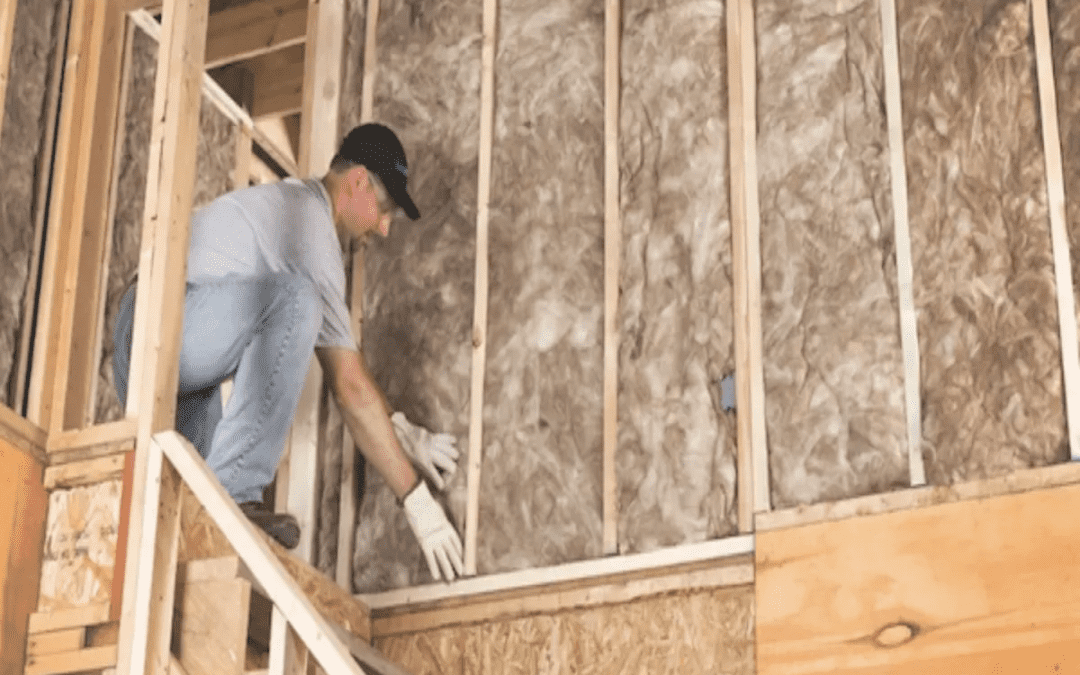
Fiberglass insulation gets intended to aid your home’s heat retention or to reduce the effect of the sun’s heat on the interior of your house. A lot of things can get tricky here. It is typically required to put in locations that aren’t easily visible or difficult to reach.
There are various ways fiberglass insulation can get used within your home. Sometimes, it’s blown loosely into the walls to provide inexpensive spray insulation. Fiberglass insulation is typical in batting rolls made of finely spun glass fibers for an extraordinarily light and fluffy product. This fiberglass insulation gets usually put down in strips within the attic. Some homes are stapled or fixed between the studs of the exterior walls.
It seems a little like pink-colored cotton candy. However, you would not want to put it into your mouth. And touching it on your naked skin can result in tiny fragments of glass that irritate the upper layer that makes up your epidermis. If the fiberglass insulation gets disturbed and dissolved, it could be released to the outside, irritating your throat, nose, and lungs.
Insulation’s purpose is to create small pockets of air. It helps reduce the amount of heat transfer between your home’s inside and the outside. But it’s not the only kind of insulation located in your attic, walls, or other areas of the house.
Vermiculite appears a bit like mica flakes with the way it sparkles. It can be applied loosely inside your home to fill insulation. Mineral wool can appear grey or white and is similar to fiberglass insulation.
In recent times, open and closed cell insulations increased in popularity. In this way, they are less likely to come into contact with the particles in your home. It includes things such as microbes that can get carried in the air.
How Does Fiberglass Insulation Help Mold?
It can be found on almost any porous surface, as it has enough moisture at the right temperature. It’s more likely to harm fiberglass insulation when water is evident from the slight leak in a roof that’s left untreated.
Nowadays, most homes can get built with a water vapor barrier designed to stop the structure’s surface from releasing water vapor from the soil back into the house. However, some older homes do not have the vapor barrier, or some newer ones get equipped with a vapor barrier that has flaws or can get wrongly installed. As a result of the incompatibility between the outside and the home, water vapor can be an ongoing problem. It also increases the likelihood that your home will suffer from an ongoing problem with mold.
A mold-friendly environment can get created when mold gets hidden away. In specific scenarios, water collects along the barrier, finding ways to get through holes or tear. If the issue progresses, it may seep into the insulation’s backing paper and other areas, such as the wood in the subfloor.
As the failure of the fiberglass insulation continues to advance, it could cause more serious problems elsewhere in your home. It could be in the form of heat loss during the winter months or inefficiency in your air conditioning system during the summer. It could lead to condensation leaks, which could increase the possibility of mold in your home.
How Can You Tell If Fiberglass Insulation Has Mold?
Suppose you think there’s the presence of mold on the fiberglass insulation in your home or any other area of your home. You should contact a mold remediation professional in that case. They’ve got the equipment and know-how to evaluate the extent of mold present within your home, including the insulation.
If they discover mold, they’ll guide you through the options to eliminate it and improve the healthy air quality in your house. It could involve removing the affected carpets and flooring and replacing drywall and carpets.
If there is a problem with mold within your fiberglass insulation, you might need to have your home wholly rebuilt with insulation. A mold remediation expert can provide you with a variety of options for insulation once the mold-infested and contaminated fiberglass had taken away.
It could also involve repairing or replacing sections of the vapor barrier in your home. They may also suggest installing the type of insulation that is less likely to harbor mold spores shortly, such as closed or open spray foam insulation.
Give us Ottawa Home Pros, Ottawa, It has a chance to win your trust and gain your business. Call us today at (613) 288-9145 or e-mail us at info@ottawahomepros.com for your next home renovation or improvement project.
